Denmark is one of the happiest countries on Earth. Year after year, it ranks at the top of global well-being indices. The weather is gray for months. The days are short in winter. And yet, the Danes report a level of everyday contentment that most cultures can’t match.
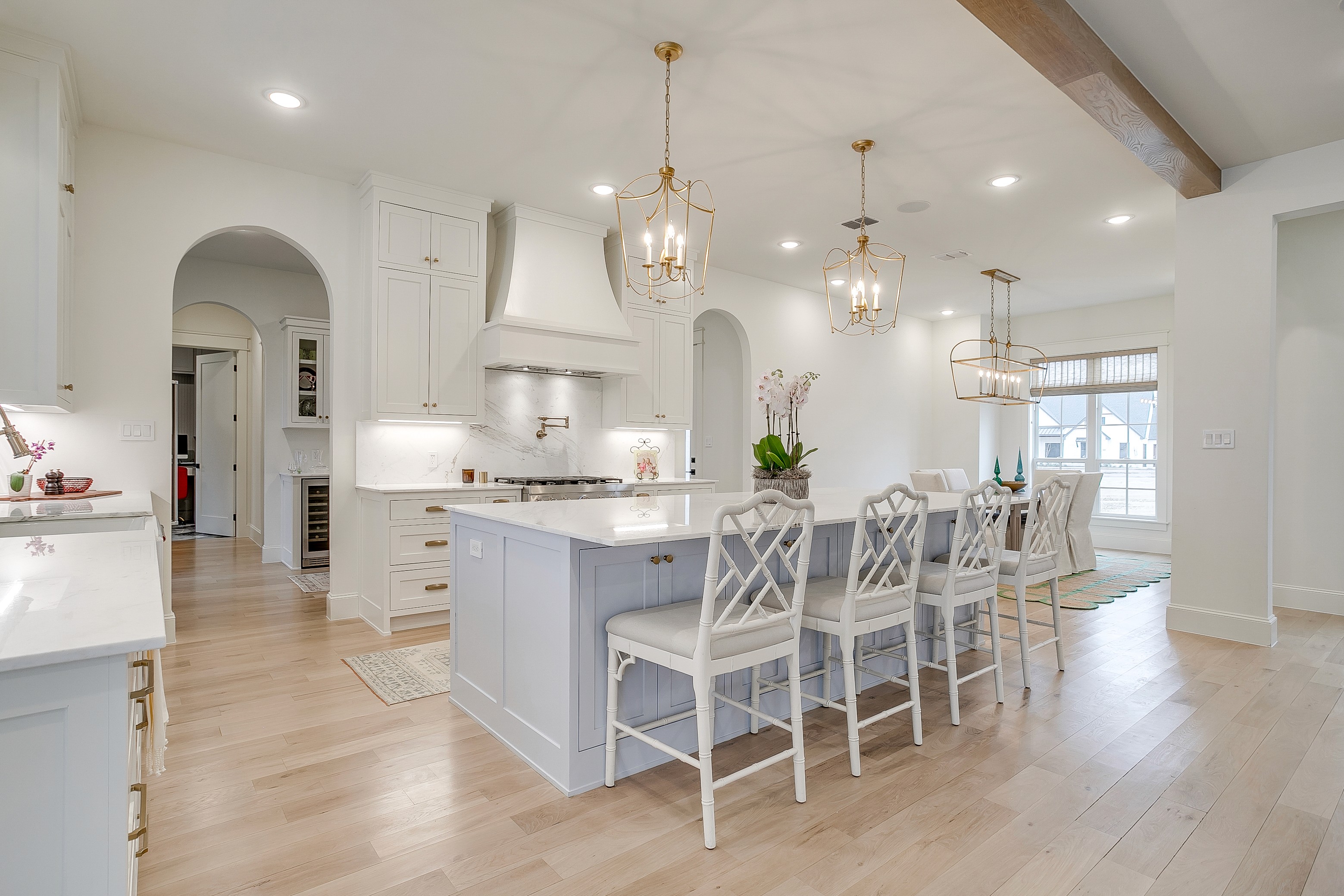
A huge part of that is how they design their homes.
Danish residential design is built around a few core principles: natural materials, warm light, functional beauty, and spaces that encourage togetherness while respecting the need for solitude. The Danes call the feeling these homes create hygge — a sense of coziness, safety, and well-being that’s woven into the architecture itself.
At Dwell, we’ve been building with these same principles for years. We just didn’t call it that. Here’s what North Texas custom home design can take from the Danish approach.
Natural Materials as a Foundation
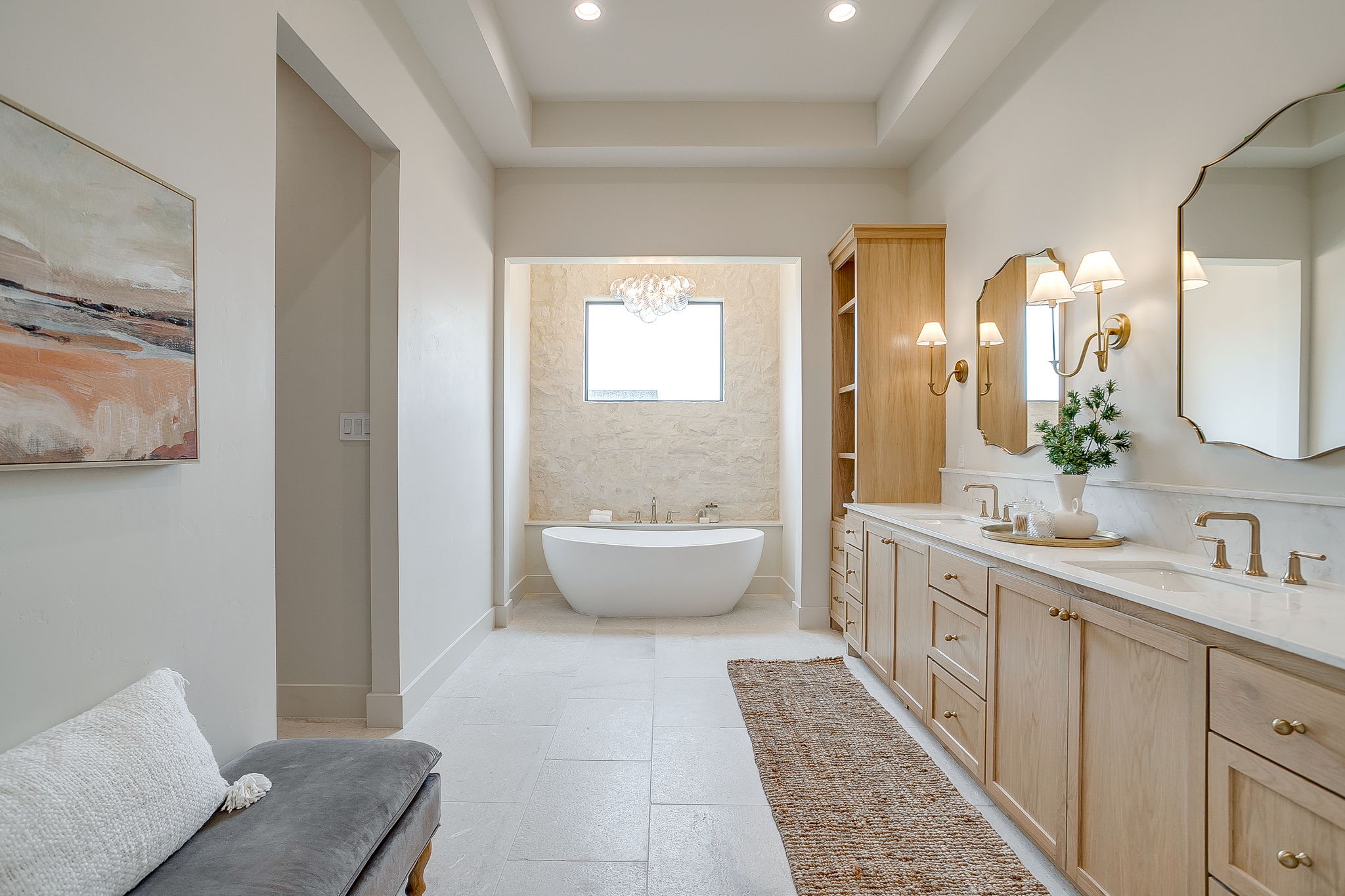
Danish interiors favor wood, stone, wool, linen, and leather — materials that are warm to the touch, age beautifully, and connect the interior to the natural world. In North Texas, this translates to wide-plank oak flooring, natural stone countertops with visible grain, plaster walls with subtle texture, and hardware that develops a patina over time.
The principle is the same: materials should be honest, tactile, and designed to get better with age, not worse.
Light as Architecture
Denmark gets as few as seven hours of daylight in winter. That scarcity made the Danes obsessive about how light enters a home. Windows are placed to maximize natural light. Artificial lighting is layered, warm, and designed to create atmosphere, not just illumination.
In North Texas, we have the opposite challenge: too much light, too much heat, and a sun that can turn a south-facing room into an oven. But the underlying principle transfers perfectly. Light should be intentional. Every window placement, every lighting layer, every finish choice should account for how light behaves in the space at different times of day.
Functional Beauty
The Danes have a saying that translates roughly to: nothing should be in a home that isn’t both useful and beautiful. It’s not minimalism for the sake of minimalism. It’s the belief that beauty and function aren’t opposites — they’re the same thing, done well.
At Dwell, this shows up in kitchens designed as behavior hubs that still feel composed. In cabinetry with soft-close hardware that you never think about. In storage designed so that everything has a place and the home stays visually calm. The best design is the kind you don’t notice — because everything just works.
Togetherness and Solitude
Danish homes are designed to bring people together — around a table, around a fire, in a kitchen where everyone gravitates. But they’re also designed to let people be alone. A window seat. A reading corner. A room with a door that closes.
This balance between togetherness and solitude is something the open-concept era lost. The best homes we design at Dwell restore it: gathering spaces that invite connection and retreat spaces that honor the need to recharge.
The Punchline
Danish design isn’t about recreating a Scandinavian aesthetic in Parker County. It’s about learning from a culture that has spent generations thinking about what makes a home feel right and applying those principles to how we build here.
Natural materials. Intentional light. Functional beauty. Rooms that serve both connection and solitude. These aren’t Danish ideas. They’re universal ideas that the Danes happen to practice better than almost anyone. And at Dwell, they’re the foundation of every home we design.
If you’re curious about what this approach looks like in a North Texas custom home, we’d love to show you.