Nobody sets out to cut corners. When people start the custom home process, the vision is always the same: build something you’re proud of, do it right, and end up with a home that’s worth every dollar.
Nobody sets out to cut corners. When people start the custom home process, the vision is always the same: build something you’re proud of, do it right, and end up with a home that’s worth every dollar.
And then reality sets in. The builder suggests a faster timeline if you shorten the design phase. The value-engineering conversation starts trimming details that seemed important but are hard to justify on a spreadsheet. Small compromises stack up. By the time you’re standing in the finished home, something feels … off. Not wrong, exactly. Just less than what you imagined.
That gap between the home you envisioned and the home you got? That’s the hidden cost. And it almost always traces back to the same place: the design phase got rushed.
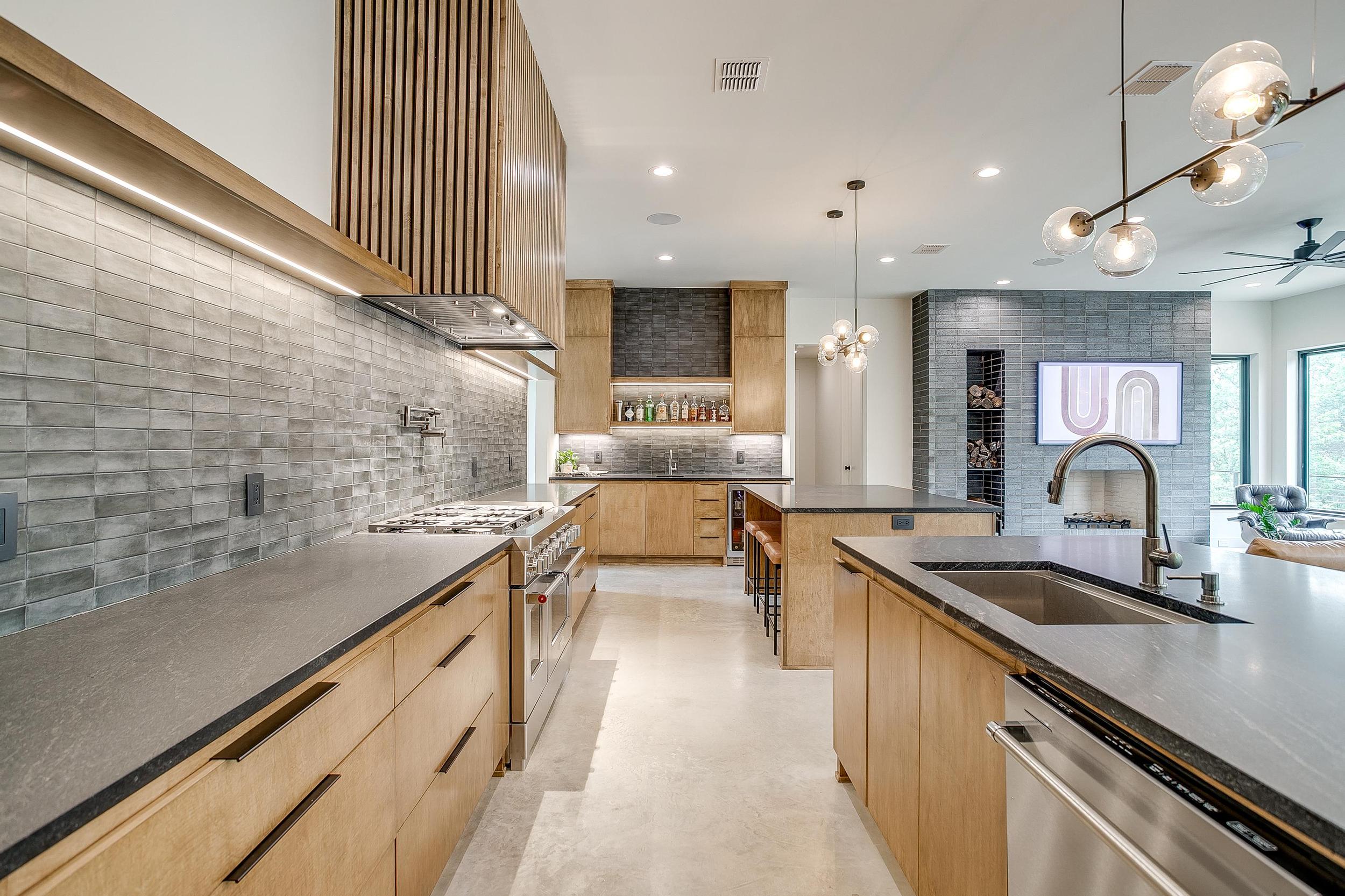
The Design Phase Isn’t a Formality
In a conventional build, design is treated as a box to check. You pick a floor plan, choose some finishes from a catalog, approve a set of drawings, and hand it off to the construction team. It’s efficient, and it works — if you’re building a production home.
But a custom home isn’t a production home. The whole point is that it’s built around the way you live. And understanding the way someone lives — how they move through a morning, where they want natural light, what “home” actually feels like to them — takes time and attention that a rushed process simply can’t provide.
When we invest more time at the front end of design, we’re not slowing things down for the sake of it. We’re solving problems on paper that would cost real money to solve during construction. Every material conflict, spatial awkwardness, and design compromise that gets caught during design is one that doesn’t become a change order at month four.
Where the Real Costs Show Up
The irony of cutting the design phase short is that it almost never saves money. It just moves the expense somewhere less visible.
Change orders are the obvious one. When selections are made quickly and details aren’t fully resolved before construction begins, mid-build changes are almost inevitable. These aren’t frivolous upgrades — they’re corrections for things that should have been worked out earlier. And they come at a premium because the framing is already up and the plumbing is already roughed in.
But the deeper cost is the one you live with: the window that ended up in the wrong place and now catches afternoon glare instead of morning light. The hallway that felt fine on the floor plan but feels narrow in person. The primary bathroom that works perfectly for one person but creates a bottleneck when two people are getting ready at the same time.
These aren’t construction defects. They’re design oversights that became permanent features of the home. And they’re the kind of thing that erodes your satisfaction slowly, over months and years.
What the Right Process Looks Like
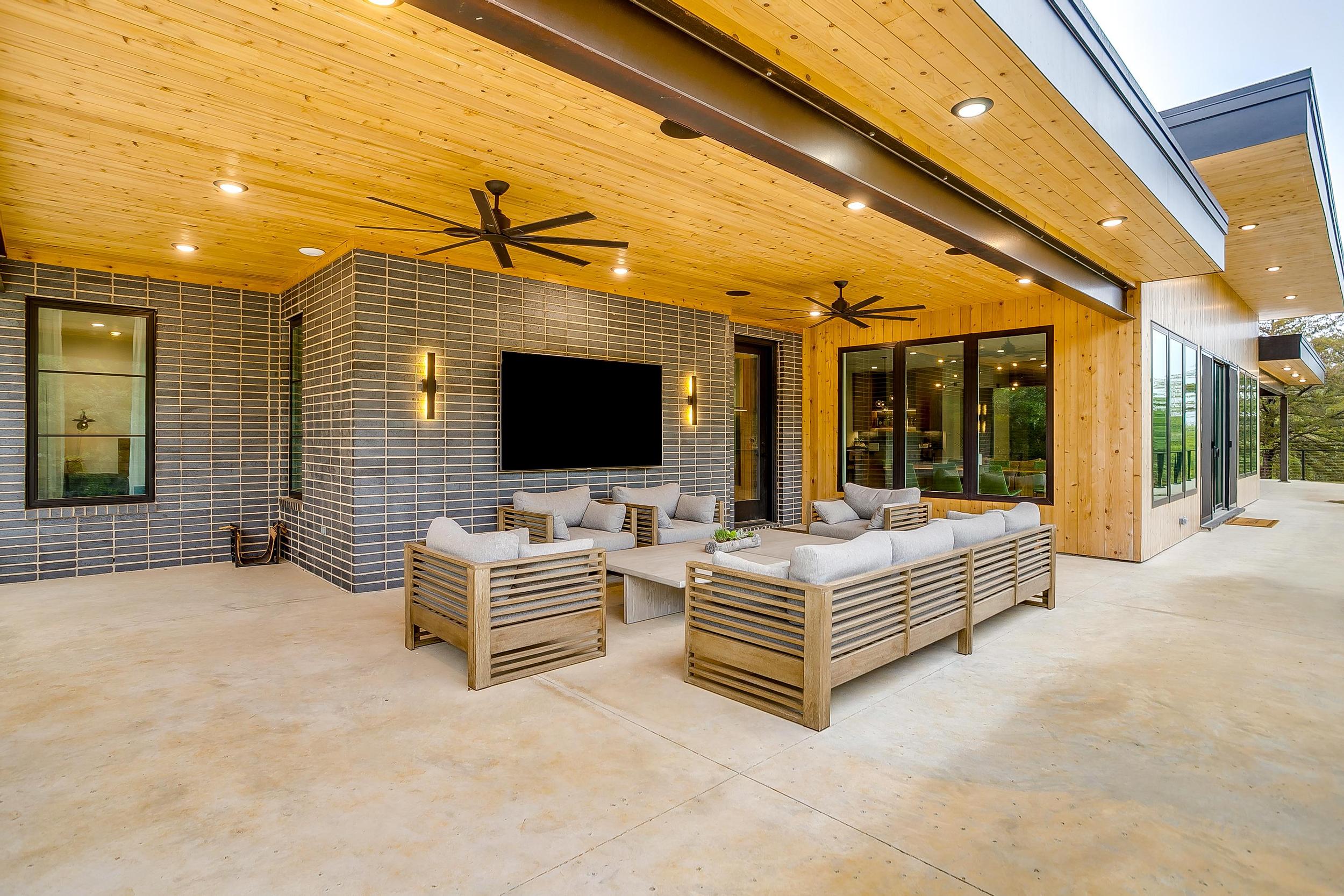
A well-designed custom home doesn’t happen by accident. It happens because someone took the time to ask the right questions — and then sat with the answers long enough to get the details right.
At Dwell, our design process is deliberately thorough. We work through spatial flow, material relationships, light patterns, and daily routines before we finalize a single drawing. We present options, walk through trade-offs, and make sure every decision is grounded in how the home will actually be lived in — not just how it will photograph.
It’s a longer conversation. And it’s the reason our clients don’t have the “I wish we’d done that differently” moment six months after move-in.
Protecting Your Investment
Your custom home is likely the single largest investment you’ll make. The design phase is where that investment is either protected or compromised. It’s where the home becomes yours — not a version of someone else’s floor plan, but a reflection of how you want to live.
Cutting corners there doesn’t save you anything. It just changes where you pay — and how long you feel it.
If you’re starting to think about building and want to understand what a thoughtful design process actually looks like, we’re happy to walk you through ours. No pressure, no commitment — just a conversation about what’s possible when you give design the time it deserves.