There’s a Danish word that describes exactly what we’re after when we design a home. The word is hygge — pronounced something like “hoo-gah” — and it describes the feeling of contentment, comfort, and well-being that comes from being in a space that makes you want to stay.
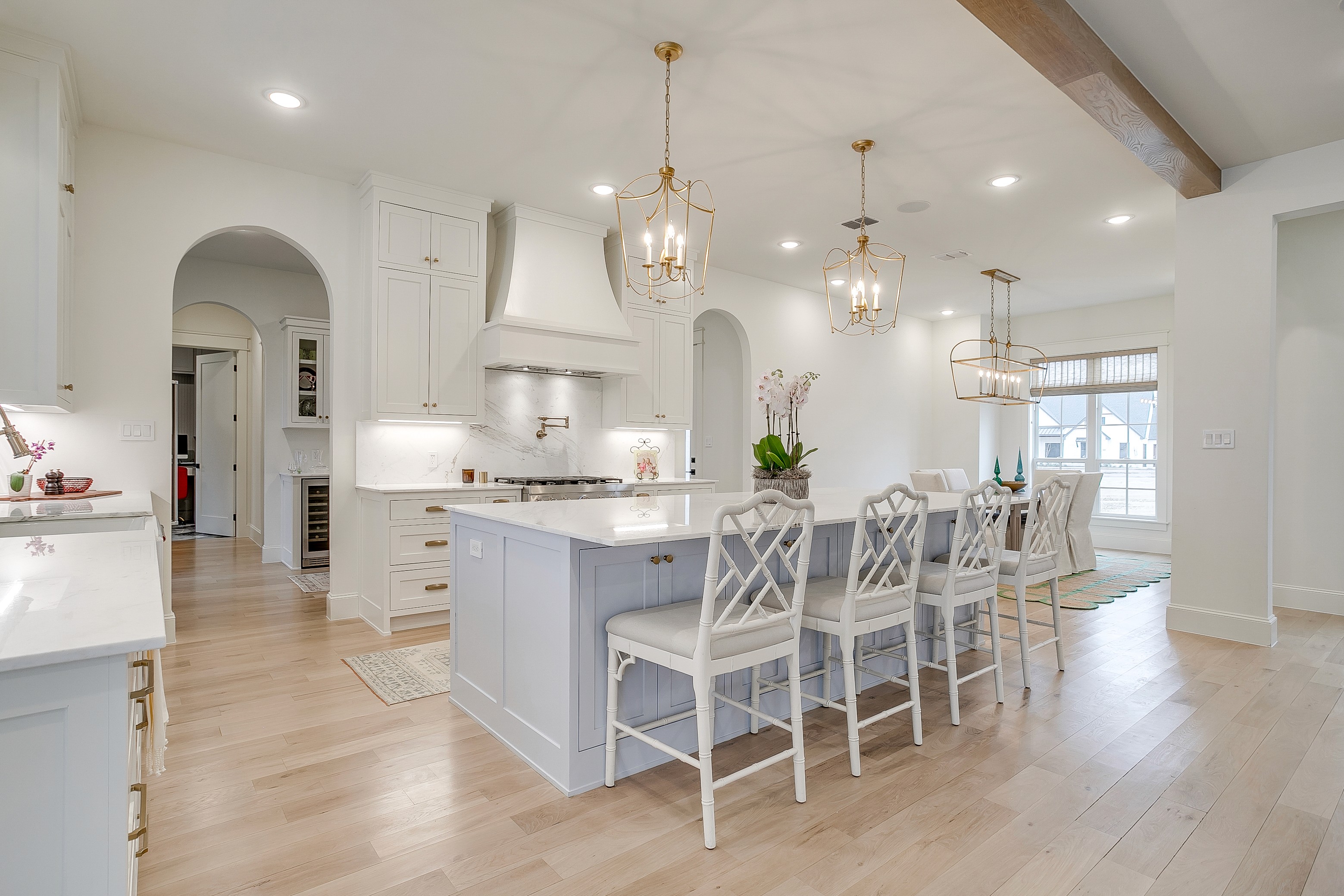
It’s the warmth of a room with the right light. The texture of a material that feels good under your hand. The quiet that settles over a space designed for calm. It’s not a style. It’s a feeling.
And it’s the feeling we design every Dwell home to create.
Hygge Isn’t Decorating
Most of what you’ll read about hygge online is about decorating. Candles, throw blankets, fuzzy socks. And while those things are fine, they’re the surface layer. You can’t hygge your way out of a poorly designed home.
Real hygge — the kind that’s woven into a culture that consistently ranks among the happiest in the world — is architectural. It’s in the proportions of the room, the quality of the natural light, the materials that age gracefully, and the spatial flow that lets you move through your home with ease. It’s the difference between a home that photographs well and a home that feels right to live in.
That distinction is at the heart of everything we do at Dwell.
How We Build Hygge In
When we say we design for hygge, we mean that every decision — from the foundation up — is filtered through one question: will this make the home feel better to live in?
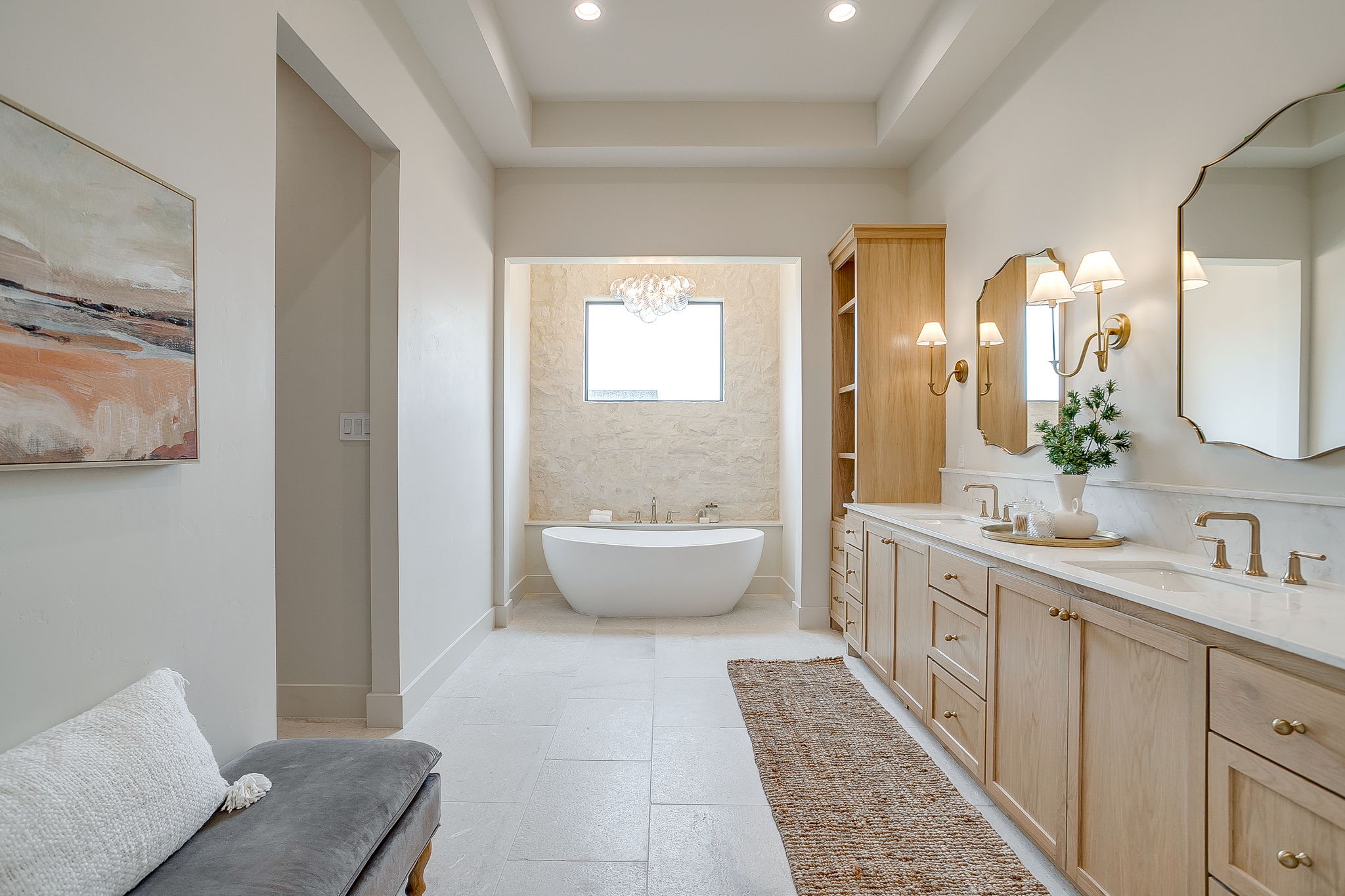
It starts with materials. Natural woodgrain, stone with visible texture, plaster walls that catch light softly, warm metals that age with character. These choices aren’t trending. They’re timeless. Your brain recognizes natural materials as safe, and the research backs this up: woodgrain alone can reduce stress markers by up to 60%.
It extends to light. We plan lighting around how you’ll actually use each room throughout the day — bright, energizing light in the morning kitchen, warm, low light in the evening living room. Windows are placed not just for views but for the quality of light they bring in and the time of day they bring it.
It shows up in spatial planning. Rooms with purpose. Nooks designed for retreat. Spaces that invite lingering. The hyggekrog — the cozy corner — isn’t a luxury. It’s a necessity in a home designed for well-being.
And it’s in the acoustics. Soft-close cabinetry. Sound-absorbing materials. Intentional separation between active and quiet zones. A home where you can choose silence without leaving your own floor.
The Science Behind the Feeling
What makes hygge powerful as a design philosophy — and not just a lifestyle brand — is that the science supports it. The field of neuroaesthetics is confirming what the Danes have practiced for generations: the way a space is designed directly affects how your nervous system responds to it.
Natural materials reduce stress. Layered lighting supports circadian rhythm. Acoustic comfort lowers cognitive load. Textural depth creates visual calm. These aren’t opinions. They’re measurable outcomes of intentional design.
Hygge is the name for the feeling. Neuroaesthetics is the science behind why it works. And thoughtful architecture is how you build it into a home that lasts.
A Home Well Lived
We didn’t adopt hygge as a philosophy because it’s trendy. We adopted it because Kim named it early in our work together as the word that captures what a Dwell home should feel like: inviting, calm, relaxed, peaceful. A home that makes you exhale when you walk in the door.
That’s not something you add after the fact with the right throw pillows. It’s something you design into the bones of the home, from the very first conversation. If that’s the kind of home you’re imagining, we’d love to hear about it.