Every January, the design world floods your feed with trend roundups. Curved furniture is in. Curved furniture is out. Matte black everything. Wait — no, brass is back.
Here’s the problem with trend lists: they’re written for content, not for people who are actually building a home they’ll live in for the next twenty years. When you’re investing in a custom build, the question isn’t what’s trending right now. It’s what will still feel right in 2036.
That’s the filter we run every material, finish, and detail through at Dwell. Not “is this popular?” but “will this age well — and will the homeowner still love it when the novelty wears off?”
With that lens in mind, here are the design directions we’re actively building into our 2026 projects — and a few we’re steering our clients away from.
What We’re Using
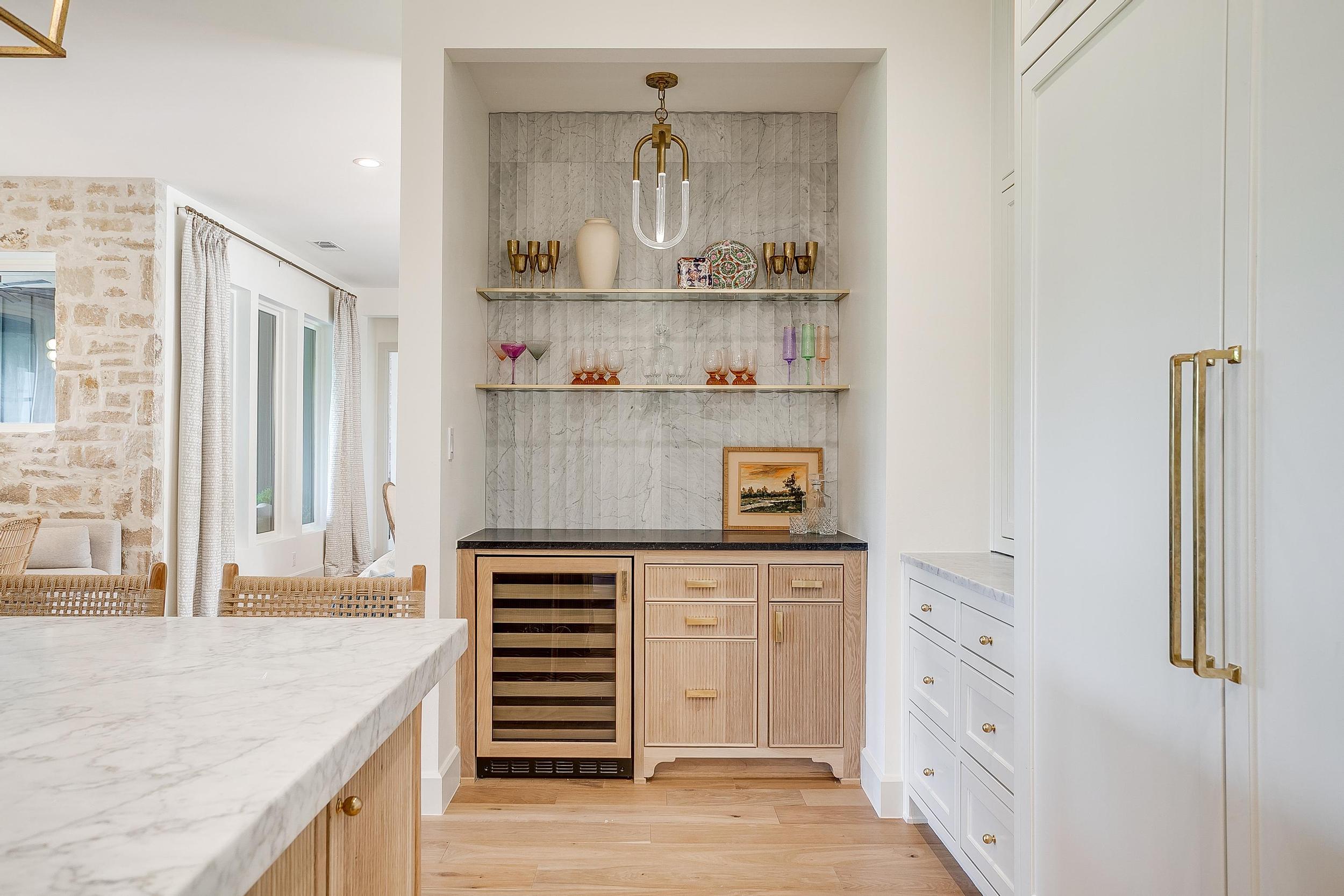
Warm minimalism with substance. The clean-line, pared-back aesthetic isn’t going anywhere, but it’s maturing. The homes we’re designing right now have restraint, but they’re not cold. We’re using natural stone with visible movement, wide-plank white oak in warmer tones, and plaster finishes that give walls a quiet texture you notice when the afternoon light hits. The goal is a home that feels calm and intentional without feeling sterile.
Indoor-outdoor integration as a design principle, not a feature. In North Texas, this isn’t a luxury — it’s a lifestyle. We’re designing covered outdoor rooms with full kitchens, climate-considered material palettes that handle triple-digit summers, and transition spaces where the line between inside and outside genuinely disappears. More on this in a future post.
Kitchens designed for how people actually cook and gather. The oversized island with twelve barstools looked impressive in the 2018 magazine spread, but it didn’t work in real life. We’re seeing our clients gravitate toward kitchens with intentional work zones, integrated appliances that don’t dominate the room, and material selections that can handle daily use without showing wear. The kitchen should be the most-used room in the house — and look like it belongs to someone who loves being in it.
Lighting as architecture. This is the single biggest shift we’ve seen in how our clients experience their homes. We’re layering light — recessed, indirect, task, and accent — so that every room can shift in mood depending on the time of day. A well-lit home doesn’t just look better. It feels different to walk through.
What We’re Skipping
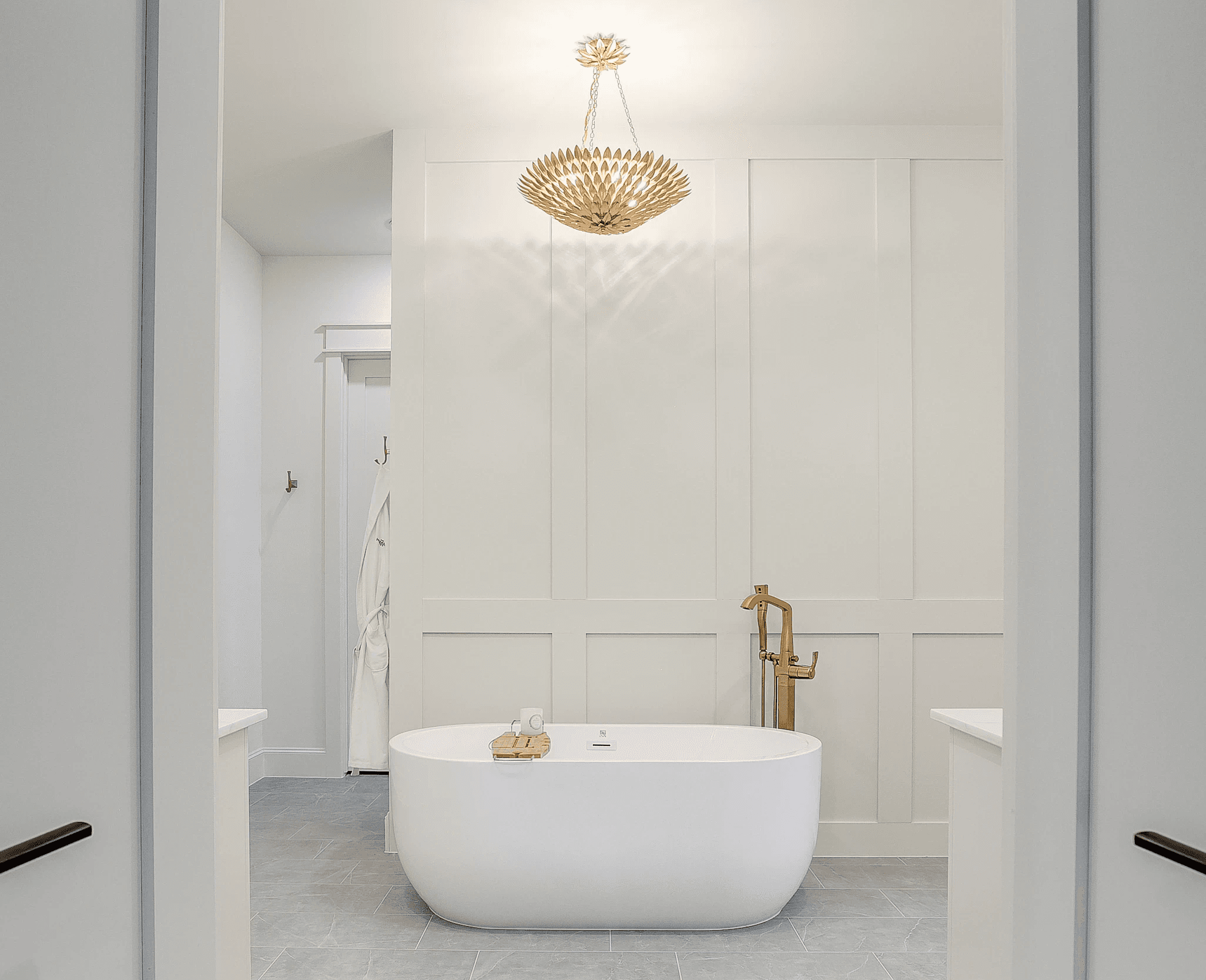
All-white kitchens with no contrast. They photograph well. They also show every fingerprint, every splash, and every scuff. More importantly, they’ve become so ubiquitous that they no longer make a home feel distinctive. We’re guiding clients toward tonal contrast — warm whites with natural wood or stone accents that give the eye somewhere to rest.
Overly themed rooms. The “moody library” with floor-to-ceiling dark paint and brass sconces had its moment. So did the all-concrete industrial bathroom. These work in boutique hotels where you stay for two nights. In a home you live in every day, a room that’s designed around a single aesthetic note tends to feel one-dimensional within a year.
Trend-driven tile. Highly patterned encaustic tile, penny tile in unexpected colors, bold geometric backsplashes — these date faster than almost any other material choice. We steer toward natural stone or large-format porcelain with subtle veining. It’s quieter, and it lasts.
The Principle Behind All of It
Every decision we make in a Dwell home is guided by a simple question: will this still feel like the right choice five, ten, twenty years from now? We’re not anti-trend. We’re anti-regret. And the difference between the two is the difference between building a home that impresses and building one that endures.
If you’re in the early stages of imagining your custom home and want to understand how we think about design, we’d love to show you. Start with our project gallery, or reach out for a conversation — no commitment, just a chance to talk about what you’re envisioning.